1. Allocate
We give animals a defined paddock sized to forage supply and herd demand rather than opening an entire field.
Rotational grazing is not a slogan on this farm. It is the day-to-day operating system that connects animal health, forage, soil and water.
A continuously grazed pasture lets animals repeatedly bite the most palatable plants until those plants weaken. We break that cycle by controlling where the herd or flock is and how long it stays.
We give animals a defined paddock sized to forage supply and herd demand rather than opening an entire field.
Animals take a fast first pass, consuming forage, trampling some residue and distributing manure.
Before preferred plants are grazed again, cattle or sheep move to fresh forage. Portable fencing makes the grazing boundary flexible.
The grazed paddock is left alone. Leaves rebuild, roots recover and soil organisms process manure and plant residue.
Rainfall, plant growth, temperature and season determine recovery time. The calendar does not dictate the next move—the pasture does.
Animals return only when the stand has enough leaf area and root reserves to handle another grazing event.
Longer recovery windows encourage deeper roots and more complete ground cover. Better cover slows runoff on slopes, shades soil, feeds soil biology and gives rainfall more opportunity to soak in rather than leave the farm.
We avoid routine pesticide use on pasture and do not use added growth hormones. Our goal is not to force production from the land; it is to build a grazing system that produces food while improving the farm's biological capacity.
Sheep fit rotational systems especially well because a flock can be moved frequently through small paddocks. A good Border Collie allows one handler to gather, turn and move sheep with less chasing and less stress.
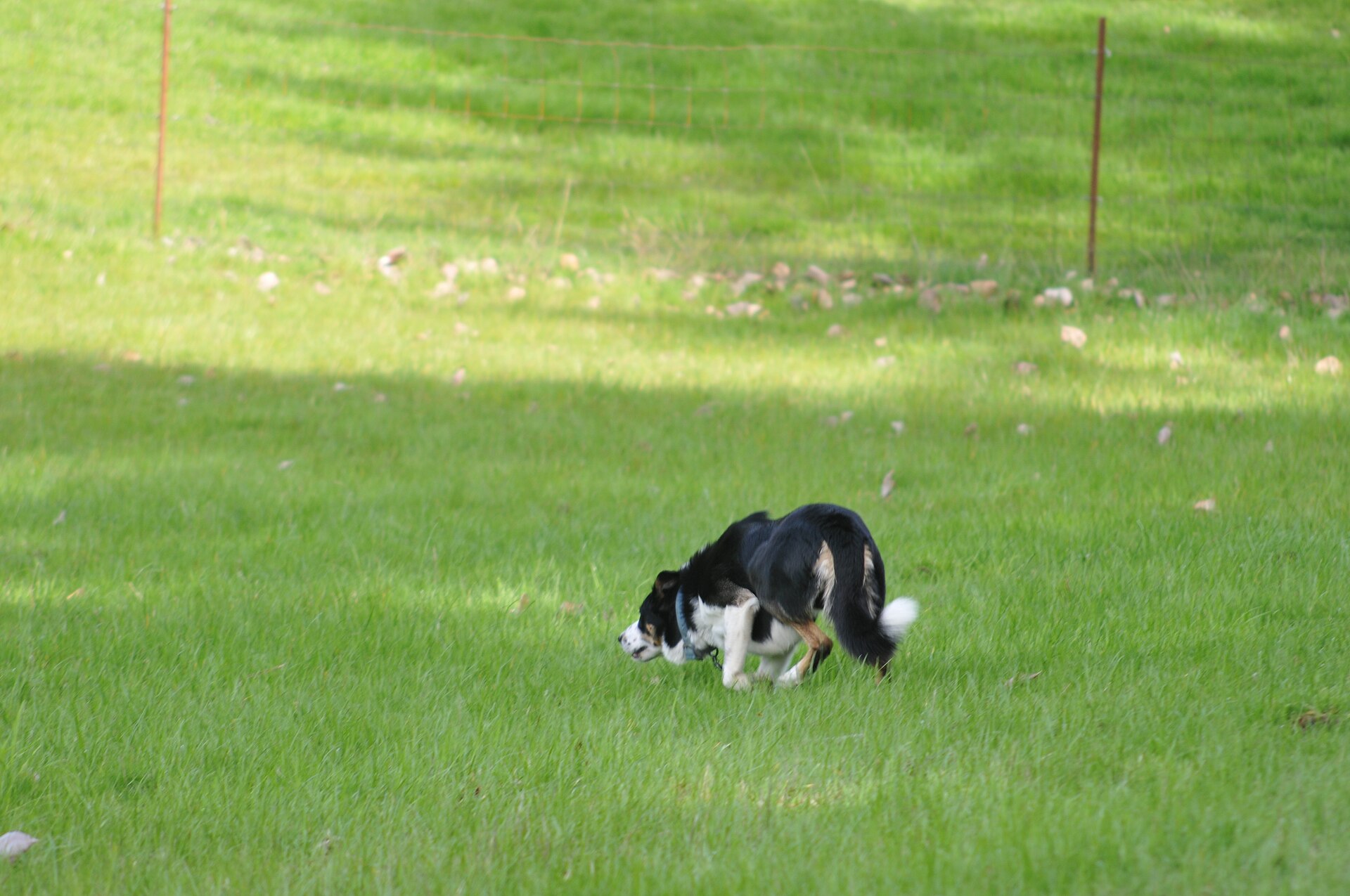
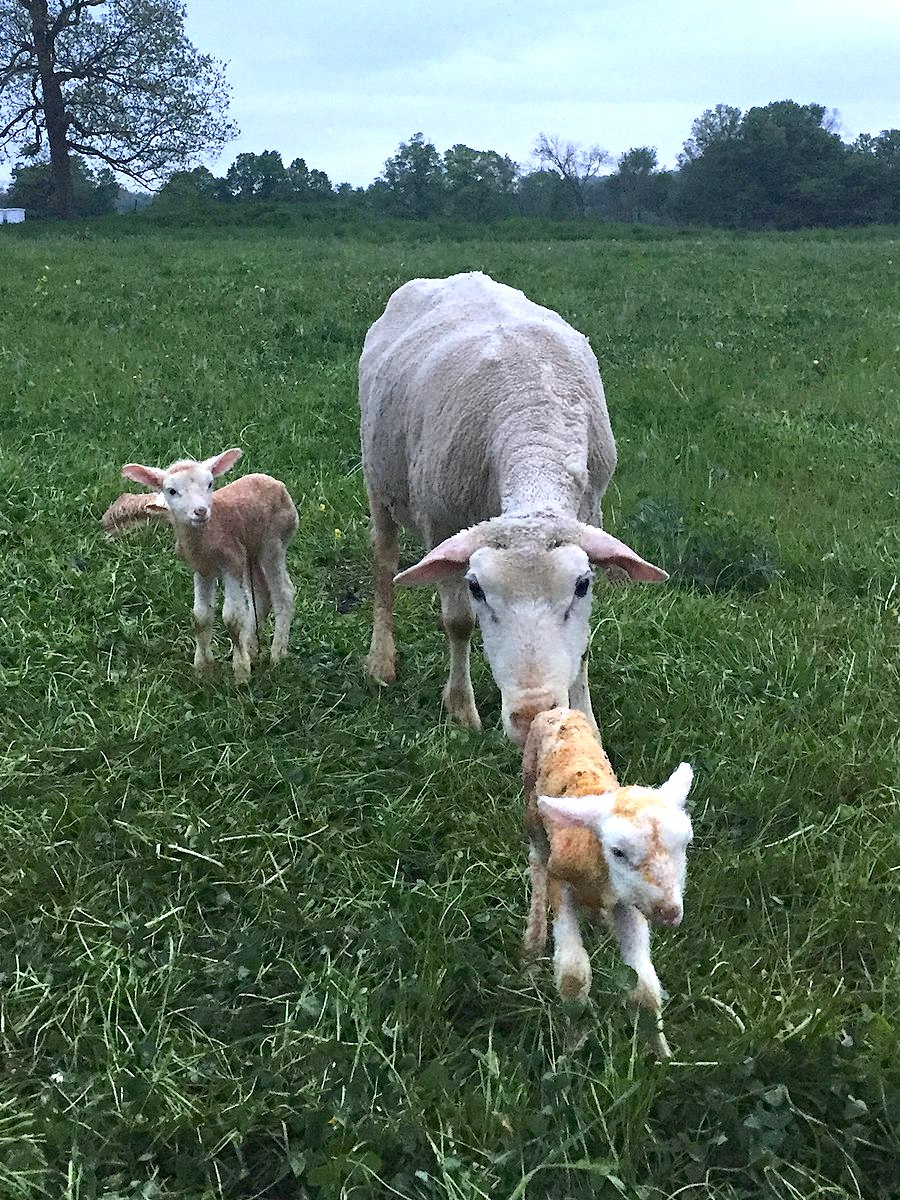
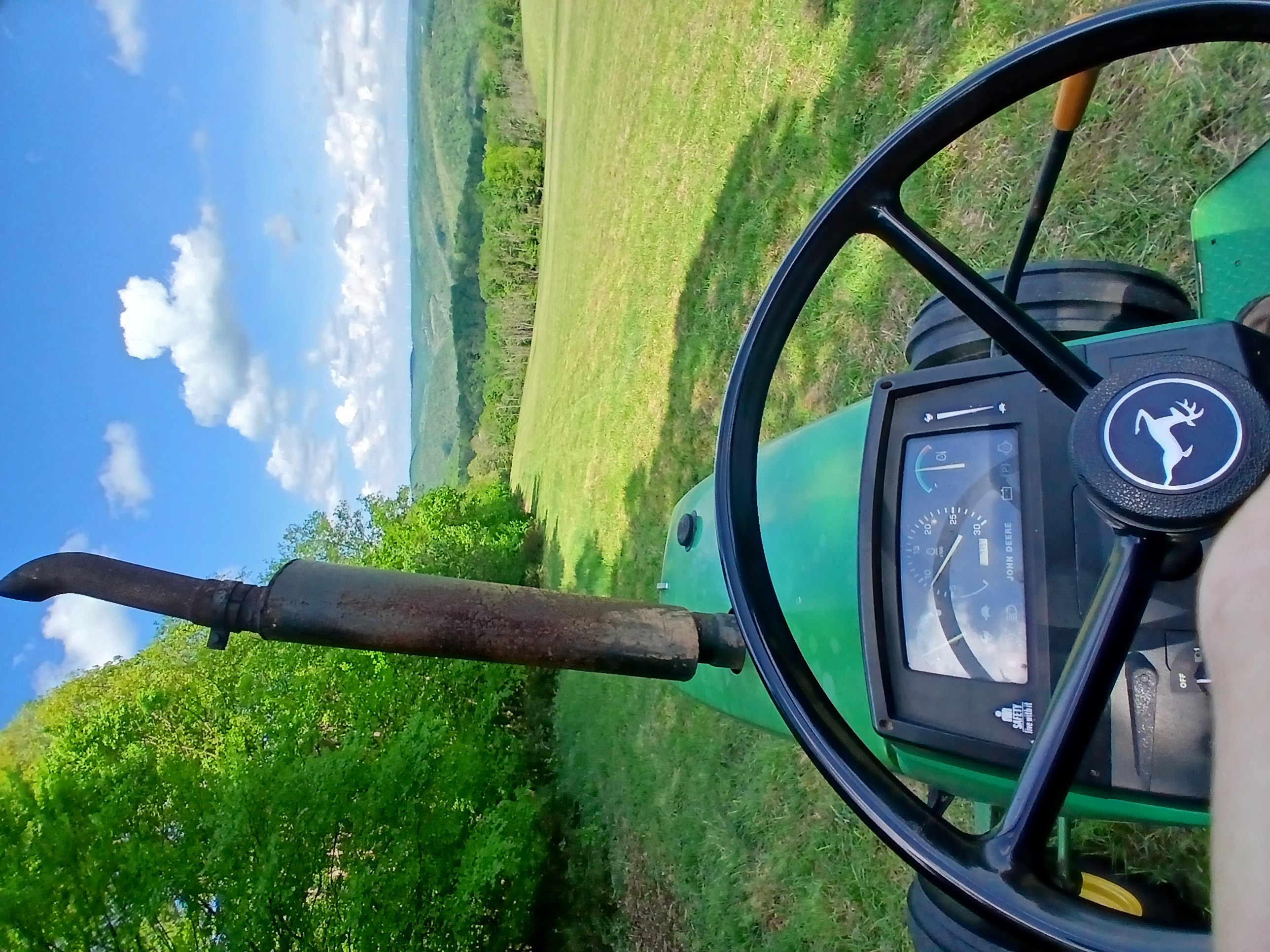
A good stock dog helps us move sheep calmly, accurately and with less stress as the flock moves from one paddock to the next.